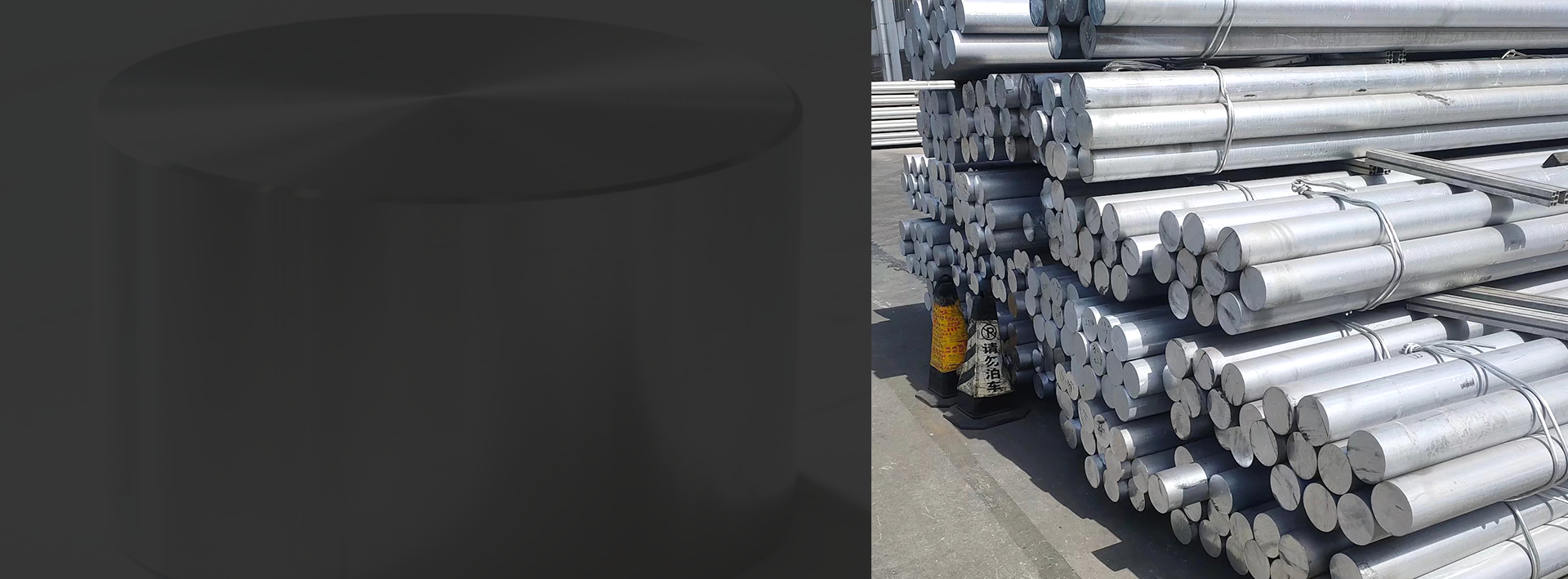
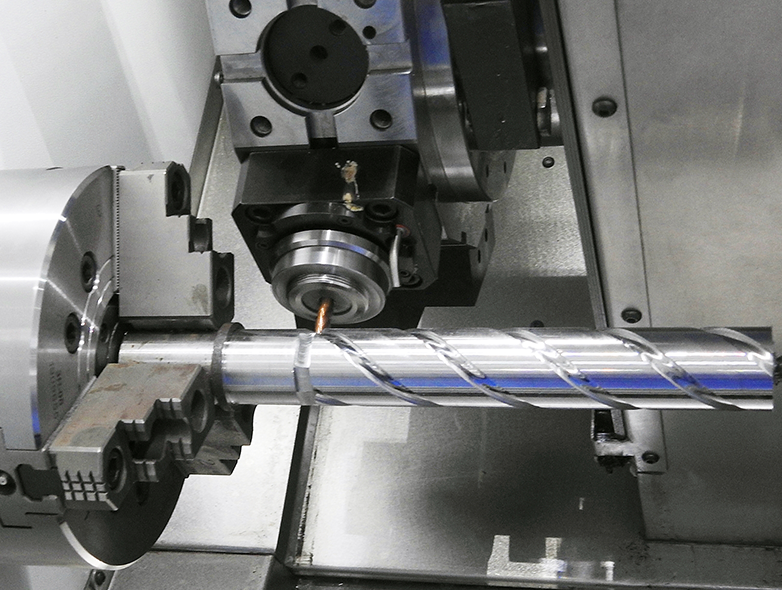
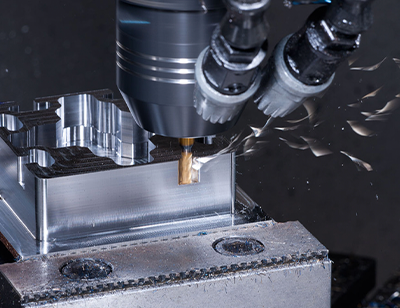
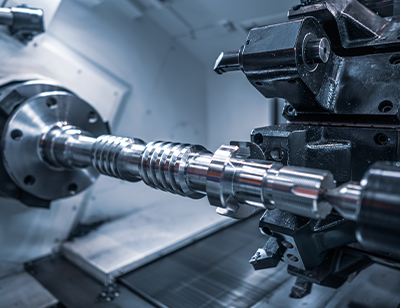
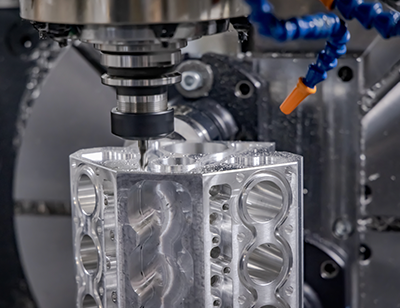
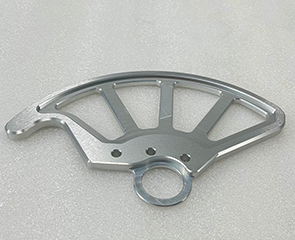
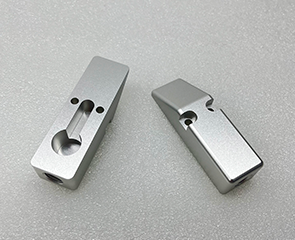
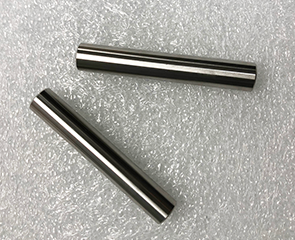
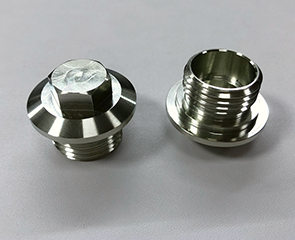
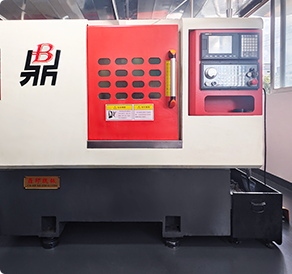
Aluminum alloys are lightweight, corrosion-resistant, and easy to machine, making them one of the most
widely used materials in CNC machining. They offer a perfect balance between strength, weight, and cost,
making them suitable for various industries including aerospace, automotive, electronics, and consumer
goods.
Key Features
Lightweight with high strength-to-weight ratio.
Excellent corrosion resistance.
Good machinability and surface finish.
Available in multiple grades for diverse applications.
Ideal for weight-sensitive applications such as aerospace and automotive
industries.
Cost-effective for prototypes and large-volume production.
Compatible with a wide range of surface finishes.
Common Aluminum Grades We Offer
Grade
Properties
Applications
Cost
Not Suitable For
Surface Finishes
6061-T6
Good strength,
weldable,
excellent corrosion resistance
Aerospace parts,
bike frames,
structural components
Medium
None
7075-T6
Very high strength,
low corrosion resistance
Aerospace fittings,
high-performance
components
High
Anodizing
(poor appearance
after anodizing)
5052
Excellent corrosion resistance,
moderate strength
Marine parts,
enclosures,
tanks
Low
Hard anodizing
5083
Superior corrosion resistance
in marine environments
Shipbuilding,
chemical tanks
Medium
Polishing
6060 / 6063
Good formability,
decent corrosion resistance
Architectural applications,
frames
Low
Hard anodizing
6082
Good strength and
corrosion resistance
Bridges,
cranes,
offshore structures
Medium
None
2017
High strength,
poor corrosion resistance
Aerospace,
automotive parts
High
Not recommended for
marine or wet environments
Material Selection And Application
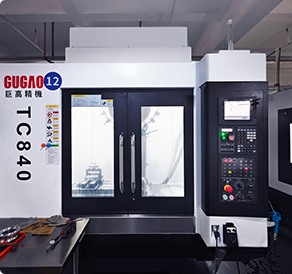
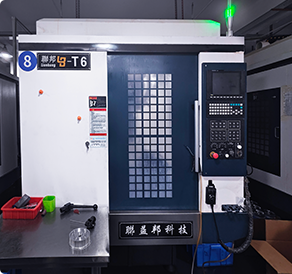
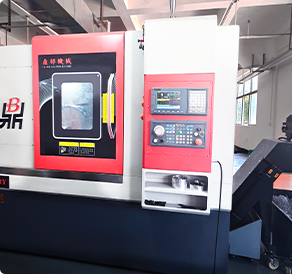
We machine rapid prototypes and low & large-volume production orders for customers in multiple
industries: medical devices, aerospace, automotive, defense, electronics, hardware startups, industrial
automation, machinery, marine and robotics, and many more.
What are the main advantages of aluminum alloys in
CNC machining?
Aluminum alloys are lightweight, easy to machine, corrosion-resistant, and offer good strength-to-weight
ratios, making them ideal for
aerospace, automotive, and electronics industries.
Can aluminum parts be anodized?
Aluminum alloys are lightweight, easy to machine, corrosion-resistant, and offer good strength-to-weight
ratios, making them ideal for
aerospace, automotive, and electronics industries.
What are the limitations of using aluminum alloys?
Aluminum alloys are lightweight, easy to machine, corrosion-resistant, and offer good strength-to-weight
ratios, making them ideal for
aerospace, automotive, and electronics industries.
Which surface finishes are compatible with aluminum?
Aluminum alloys are lightweight, easy to machine, corrosion-resistant, and offer good strength-to-weight
ratios, making them ideal for
aerospace, automotive, and electronics industries.
What is the cost of aluminum compared to other metals?
Aluminum alloys are lightweight, easy to machine, corrosion-resistant, and offer good strength-to-weight
ratios, making them ideal for
aerospace, automotive, and electronics industries.
Are aluminum parts strong enough for structural
applications?
Yes, high-strength grades like 7075-T6 offer excellent mechanical properties, suitable for structural
and load-bearing parts in aerospace and automotive applications.
Which aluminum grade is best for strength?
Yes, high-strength grades like 7075-T6 offer excellent mechanical properties, suitable for structural
and load-bearing parts in aerospace and automotive applications.
How accurate can aluminum CNC parts be?
Yes, high-strength grades like 7075-T6 offer excellent mechanical properties, suitable for structural
and load-bearing parts in aerospace and automotive applications.
Is aluminum suitable for outdoor applications?
Yes, high-strength grades like 7075-T6 offer excellent mechanical properties, suitable for structural
and load-bearing parts in aerospace and automotive applications.
Can aluminum be used for medical or food-grade parts?
Yes, high-strength grades like 7075-T6 offer excellent mechanical properties, suitable for structural
and load-bearing parts in aerospace and automotive applications.