Get a Quote in 12 Hours – Fast & Reliable CNC Machining!

English

en cn
en cn
Home Services CNC Machining CNC Milling

What is CNC Milling?

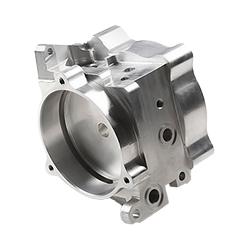
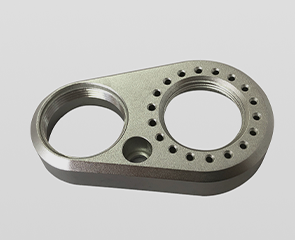
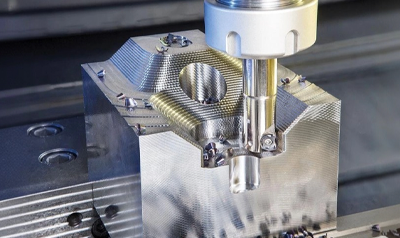
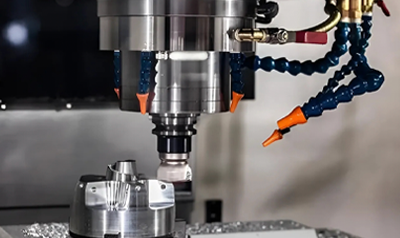
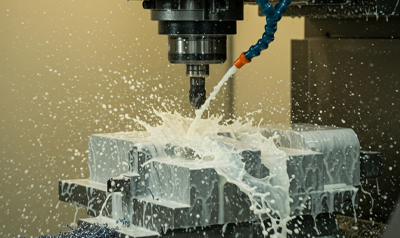
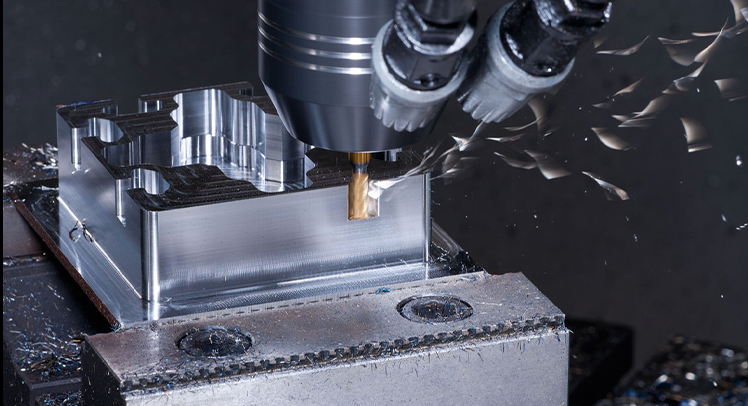
CNC Milling is a computer-controlled subtractive manufacturing process where rotating cutting tools remove material from a solid block (workpiece) to create precise parts. It is widely used for producing complex geometries, tight tolerances, and high-quality finishes in both metal and plastic components.

Our CNC Milling Capabilities

Equipment & Precision
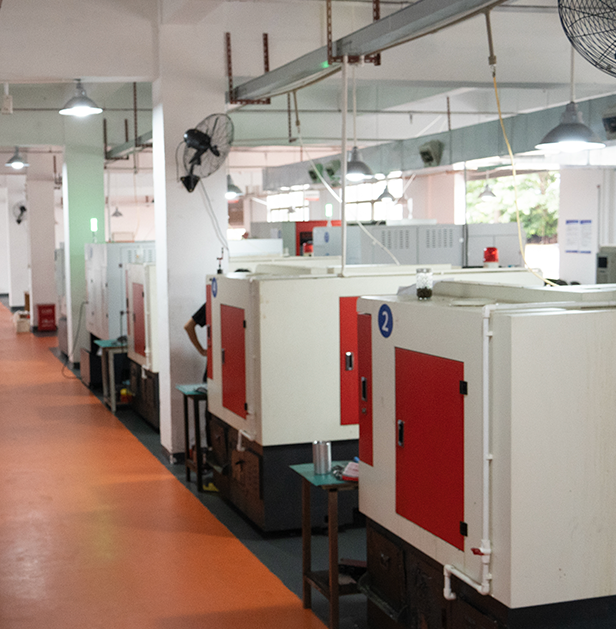
We use advanced 3-axis, 4-axis, and 5-axis CNC milling machines to produce parts with high dimensional accuracy and complex geometries.
  • Maximum part size: up to 800mm × 500mm × 500mm
  • Tolerance: ±0.01mm or per customer request
  • Capable of small-batch or mass production
  • Strict quality control with in-house CMM inspection
  • Experienced engineers for DFM support
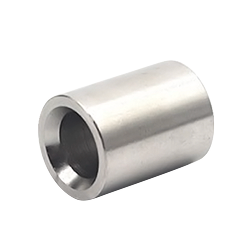
Materials Supported
We use advanced 3-axis, 4-axis, and 5-axis CNC milling machines to produce parts with high dimensional accuracy and complex geometries.
  • Maximum part size: up to 800mm × 500mm × 500mm
  • Tolerance: ±0.01mm or per customer request
  • Capable of small-batch or mass production
  • Strict quality control with in-house CMM inspection
  • Experienced engineers for DFM support
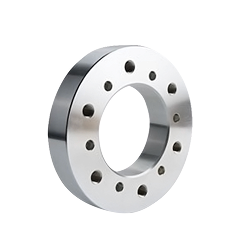
Industries Served
We use advanced 3-axis, 4-axis, and 5-axis CNC milling machines to produce parts with high dimensional accuracy and complex geometries.
  • Maximum part size: up to 800mm × 500mm × 500mm
  • Tolerance: ±0.01mm or per customer request
  • Capable of small-batch or mass production
  • Strict quality control with in-house CMM inspection
  • Experienced engineers for DFM support
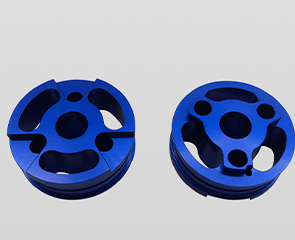
Typical Parts We Machine
We use advanced 3-axis, 4-axis, and 5-axis CNC milling machines to produce parts with high dimensional accuracy and complex geometries.
  • Maximum part size: up to 800mm × 500mm × 500mm
  • Tolerance: ±0.01mm or per customer request
  • Capable of small-batch or mass production
  • Strict quality control with in-house CMM inspection
  • Experienced engineers for DFM support
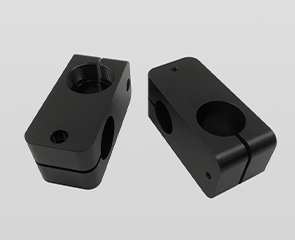
Numerical Control (NC) Machining Materials

From simple parts to complex geometries, we offer the right CNC solution for every project.

Aluminum Alloys

606 / 7075 / 5052 / 5083 / 6060 / 6063 / 6082 / 2017

Aluminum alloys are lightweight yet strong, offering excellent corrosion resistance and high thermal conductivity.

Thanks to their outstanding machinability, they are widely used in aerospace components, automotive parts, and consumer electronics.

Advantages

  • Lightweight and easy to machine
  • Excellent corrosion resistance
  • Good thermal and electrical conductivity

Disadvantages

  • Lower strength compared to steel
  • Surface is prone to scratches without proper treatment

Common surface treatments

  • Anodizing
  • Sandblasting
  • Painting
  • Plating (on certain alloys)

Steel

606 / 7075 / 5052 / 5083 / 6060 / 6063 / 6082 / 2017

Aluminum alloys are lightweight yet strong, offering excellent corrosion resistance and high thermal conductivity.

Thanks to their outstanding machinability, they are widely used in aerospace components, automotive parts, and consumer electronics.

Advantages

  • Lightweight and easy to machine
  • Excellent corrosion resistance
  • Good thermal and electrical conductivity

Disadvantages

  • Lower strength compared to steel
  • Surface is prone to scratches without proper treatment

Common surface treatments

  • Anodizing
  • Sandblasting
  • Painting
  • Plating (on certain alloys)

Stainless Steel

606 / 7075 / 5052 / 5083 / 6060 / 6063 / 6082 / 2017

Aluminum alloys are lightweight yet strong, offering excellent corrosion resistance and high thermal conductivity.

Thanks to their outstanding machinability, they are widely used in aerospace components, automotive parts, and consumer electronics.

Advantages

  • Lightweight and easy to machine
  • Excellent corrosion resistance
  • Good thermal and electrical conductivity

Disadvantages

  • Lower strength compared to steel
  • Surface is prone to scratches without proper treatment

Common surface treatments

  • Anodizing
  • Sandblasting
  • Painting
  • Plating (on certain alloys)

Brass

606 / 7075 / 5052 / 5083 / 6060 / 6063 / 6082 / 2017

Aluminum alloys are lightweight yet strong, offering excellent corrosion resistance and high thermal conductivity.

Thanks to their outstanding machinability, they are widely used in aerospace components, automotive parts, and consumer electronics.

Advantages

  • Lightweight and easy to machine
  • Excellent corrosion resistance
  • Good thermal and electrical conductivity

Disadvantages

  • Lower strength compared to steel
  • Surface is prone to scratches without proper treatment

Common surface treatments

  • Anodizing
  • Sandblasting
  • Painting
  • Plating (on certain alloys)

Copper

606 / 7075 / 5052 / 5083 / 6060 / 6063 / 6082 / 2017

Aluminum alloys are lightweight yet strong, offering excellent corrosion resistance and high thermal conductivity.

Thanks to their outstanding machinability, they are widely used in aerospace components, automotive parts, and consumer electronics.

Advantages

  • Lightweight and easy to machine
  • Excellent corrosion resistance
  • Good thermal and electrical conductivity

Disadvantages

  • Lower strength compared to steel
  • Surface is prone to scratches without proper treatment

Common surface treatments

  • Anodizing
  • Sandblasting
  • Painting
  • Plating (on certain alloys)

Titanium Alloys

606 / 7075 / 5052 / 5083 / 6060 / 6063 / 6082 / 2017

Aluminum alloys are lightweight yet strong, offering excellent corrosion resistance and high thermal conductivity.

Thanks to their outstanding machinability, they are widely used in aerospace components, automotive parts, and consumer electronics.

Advantages

  • Lightweight and easy to machine
  • Excellent corrosion resistance
  • Good thermal and electrical conductivity

Disadvantages

  • Lower strength compared to steel
  • Surface is prone to scratches without proper treatment

Common surface treatments

  • Anodizing
  • Sandblasting
  • Painting
  • Plating (on certain alloys)

Aluminum Alloys

606 / 7075 / 5052 / 5083 / 6060 / 6063 / 6082 / 2017

Aluminum alloys are lightweight yet strong, offering excellent corrosion resistance and high thermal conductivity.

Thanks to their outstanding machinability, they are widely used in aerospace components, automotive parts, and consumer electronics.

Advantages

  • Lightweight and easy to machine
  • Excellent corrosion resistance
  • Good thermal and electrical conductivity

Disadvantages

  • Lower strength compared to steel
  • Surface is prone to scratches without proper treatment

Common surface treatments

  • Anodizing
  • Sandblasting
  • Painting
  • Plating (on certain alloys)

Steel

606 / 7075 / 5052 / 5083 / 6060 / 6063 / 6082 / 2017

Aluminum alloys are lightweight yet strong, offering excellent corrosion resistance and high thermal conductivity.

Thanks to their outstanding machinability, they are widely used in aerospace components, automotive parts, and consumer electronics.

Advantages

  • Lightweight and easy to machine
  • Excellent corrosion resistance
  • Good thermal and electrical conductivity

Disadvantages

  • Lower strength compared to steel
  • Surface is prone to scratches without proper treatment

Common surface treatments

  • Anodizing
  • Sandblasting
  • Painting
  • Plating (on certain alloys)

Stainless Steel

606 / 7075 / 5052 / 5083 / 6060 / 6063 / 6082 / 2017

Aluminum alloys are lightweight yet strong, offering excellent corrosion resistance and high thermal conductivity.

Thanks to their outstanding machinability, they are widely used in aerospace components, automotive parts, and consumer electronics.

Advantages

  • Lightweight and easy to machine
  • Excellent corrosion resistance
  • Good thermal and electrical conductivity

Disadvantages

  • Lower strength compared to steel
  • Surface is prone to scratches without proper treatment

Common surface treatments

  • Anodizing
  • Sandblasting
  • Painting
  • Plating (on certain alloys)

Brass

606 / 7075 / 5052 / 5083 / 6060 / 6063 / 6082 / 2017

Aluminum alloys are lightweight yet strong, offering excellent corrosion resistance and high thermal conductivity.

Thanks to their outstanding machinability, they are widely used in aerospace components, automotive parts, and consumer electronics.

Advantages

  • Lightweight and easy to machine
  • Excellent corrosion resistance
  • Good thermal and electrical conductivity

Disadvantages

  • Lower strength compared to steel
  • Surface is prone to scratches without proper treatment

Common surface treatments

  • Anodizing
  • Sandblasting
  • Painting
  • Plating (on certain alloys)

Copper

606 / 7075 / 5052 / 5083 / 6060 / 6063 / 6082 / 2017

Aluminum alloys are lightweight yet strong, offering excellent corrosion resistance and high thermal conductivity.

Thanks to their outstanding machinability, they are widely used in aerospace components, automotive parts, and consumer electronics.

Advantages

  • Lightweight and easy to machine
  • Excellent corrosion resistance
  • Good thermal and electrical conductivity

Disadvantages

  • Lower strength compared to steel
  • Surface is prone to scratches without proper treatment

Common surface treatments

  • Anodizing
  • Sandblasting
  • Painting
  • Plating (on certain alloys)

Titanium Alloys

606 / 7075 / 5052 / 5083 / 6060 / 6063 / 6082 / 2017

Aluminum alloys are lightweight yet strong, offering excellent corrosion resistance and high thermal conductivity.

Thanks to their outstanding machinability, they are widely used in aerospace components, automotive parts, and consumer electronics.

Advantages

  • Lightweight and easy to machine
  • Excellent corrosion resistance
  • Good thermal and electrical conductivity

Disadvantages

  • Lower strength compared to steel
  • Surface is prone to scratches without proper treatment

Common surface treatments

  • Anodizing
  • Sandblasting
  • Painting
  • Plating (on certain alloys)

Different Surface Treatment Options

We machine rapid prototypes and low & large-volume production orders for customers in multiple industries: medical devices, aerospace, automotive, defense, electronics, hardware startups, industrial automation, machinery, marine and robotics, and many more.

Why Choose Us

Recommended Article

Contact Information

Name / Company Name

Email

Phone

Country / Region

Project Name / Part Name

Quantity Needed

Required Lead Time

Material

Tolerance Requirements

Surface Finish

Additional Notes or Requirements

File Upload

Let’s Bring Your Vision

to Life with Precision Machining!

×

Contact Us

*We respect your privacy. When you submit your contact information, we agree to only contact you in accordance with our Privacy Policy.